
Sub-category level added for Category dictionary and UI Feature
Accurate data classification is the backbone of any robust compliance system. When intake officers or managers register a new incident, pulling from a massive, flat list of violations often leads to human error and misclassified cases.
To bring absolute precision to your intake flow, we are excited to introduce the Three-Level Sub-Category Framework & Dynamic Short Plots.
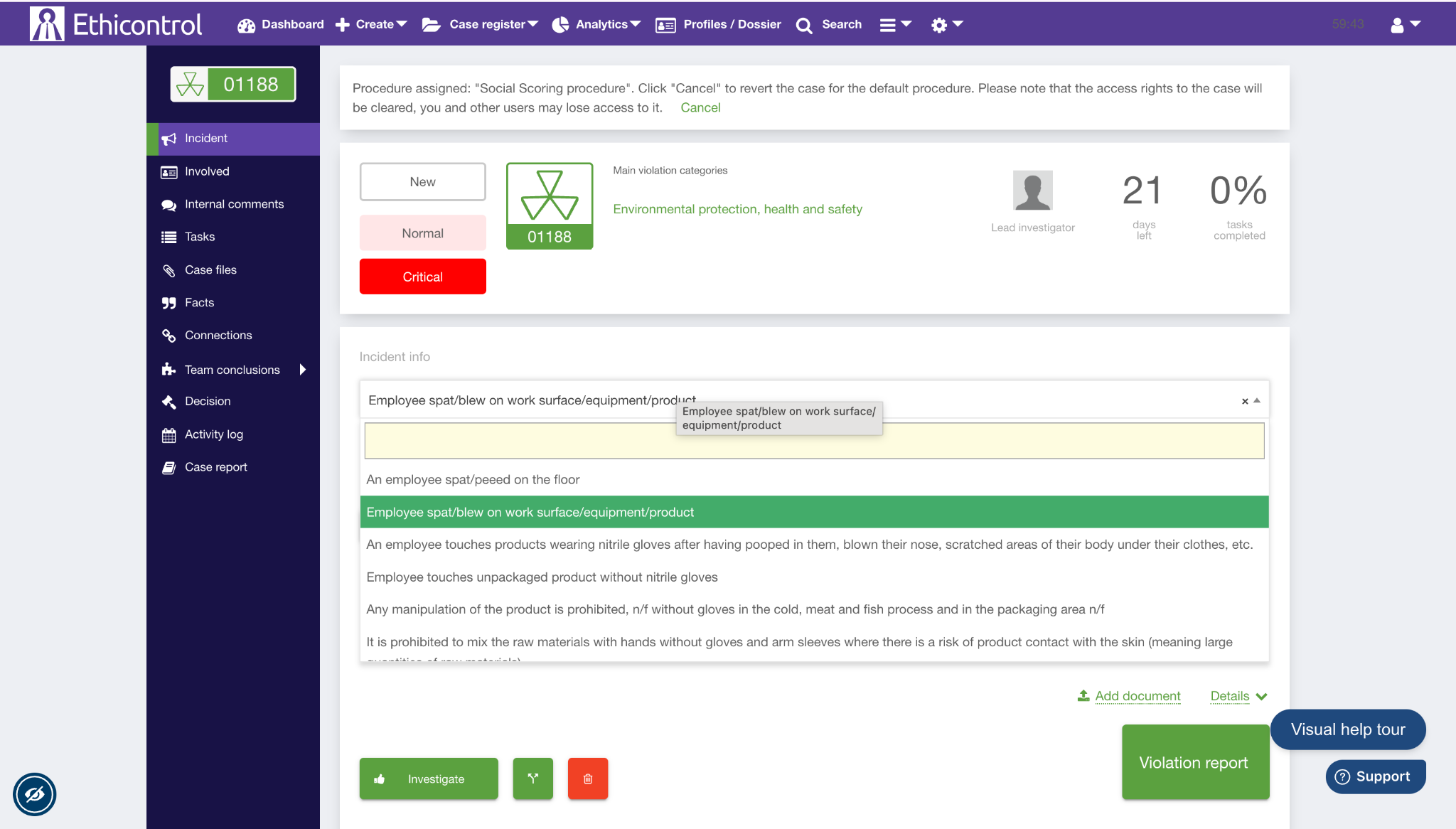
What changes? We have added a third layer to your violation directory — Sub-categories. This allows you to structure your catalogue down to the finest detail, keeping your main categories clean while providing precise context for every incident.
Key Capabilities
1. Enhanced Three-Level Category Directory
The core Category directory now officially supports a three-level depth framework to better align with internal corporate policies and legal standards. Instead of generic top-level tags, you can now structure your data logically.
? 2. Smart Context-Driven Short Plots
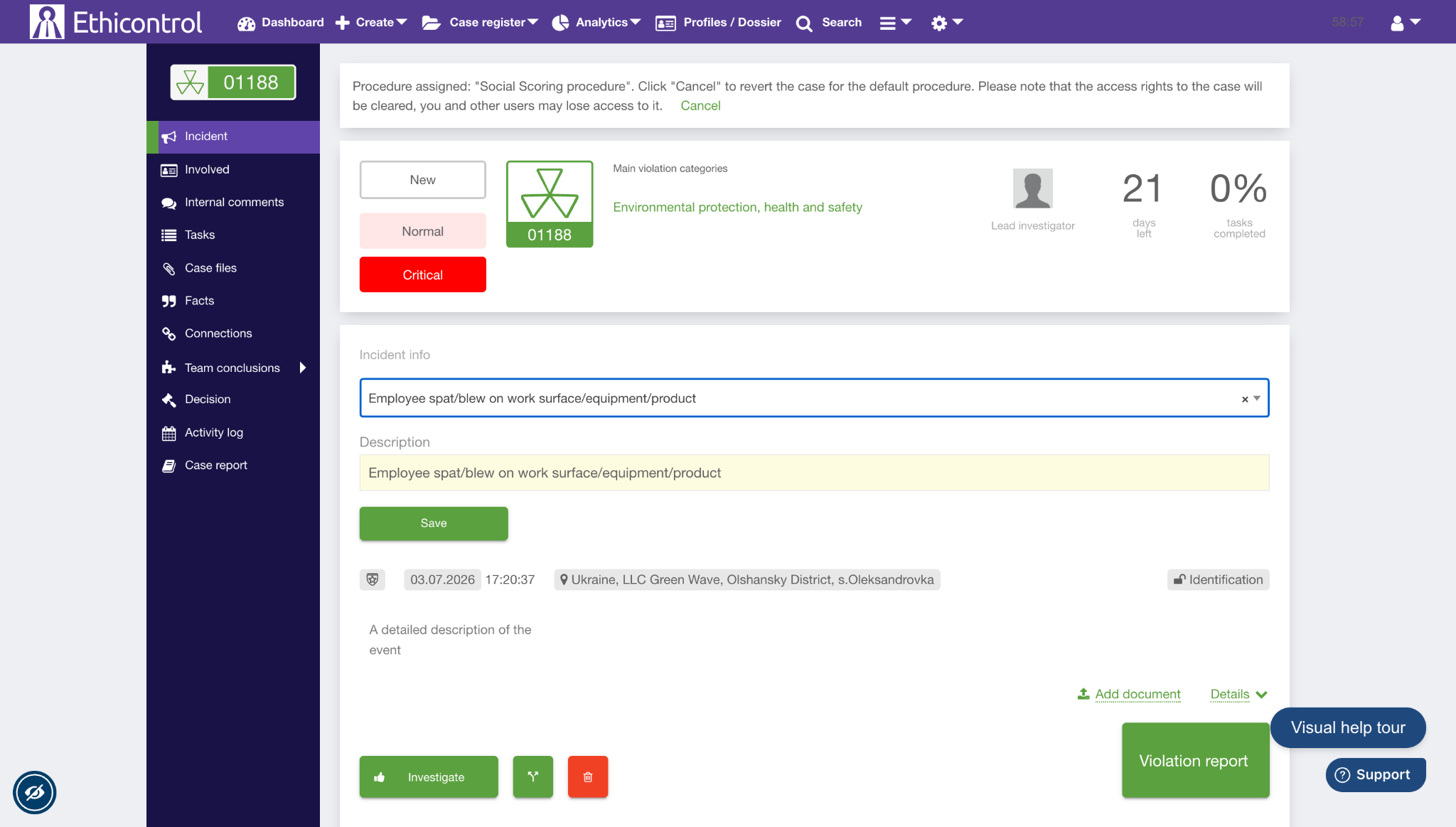
To speed up data entry, the system uses strict parent-child mapping filters:
Selecting a main category automatically limits the Short Plot / Incident Subject dropdowns to display only the specific subgroups and narrative templates related to that issue.
No more scrolling through hundreds of unrelated options—users see only what is relevant to the exact context of the incident.
Advanced Option: Sub-Category Weights & Severity Impact
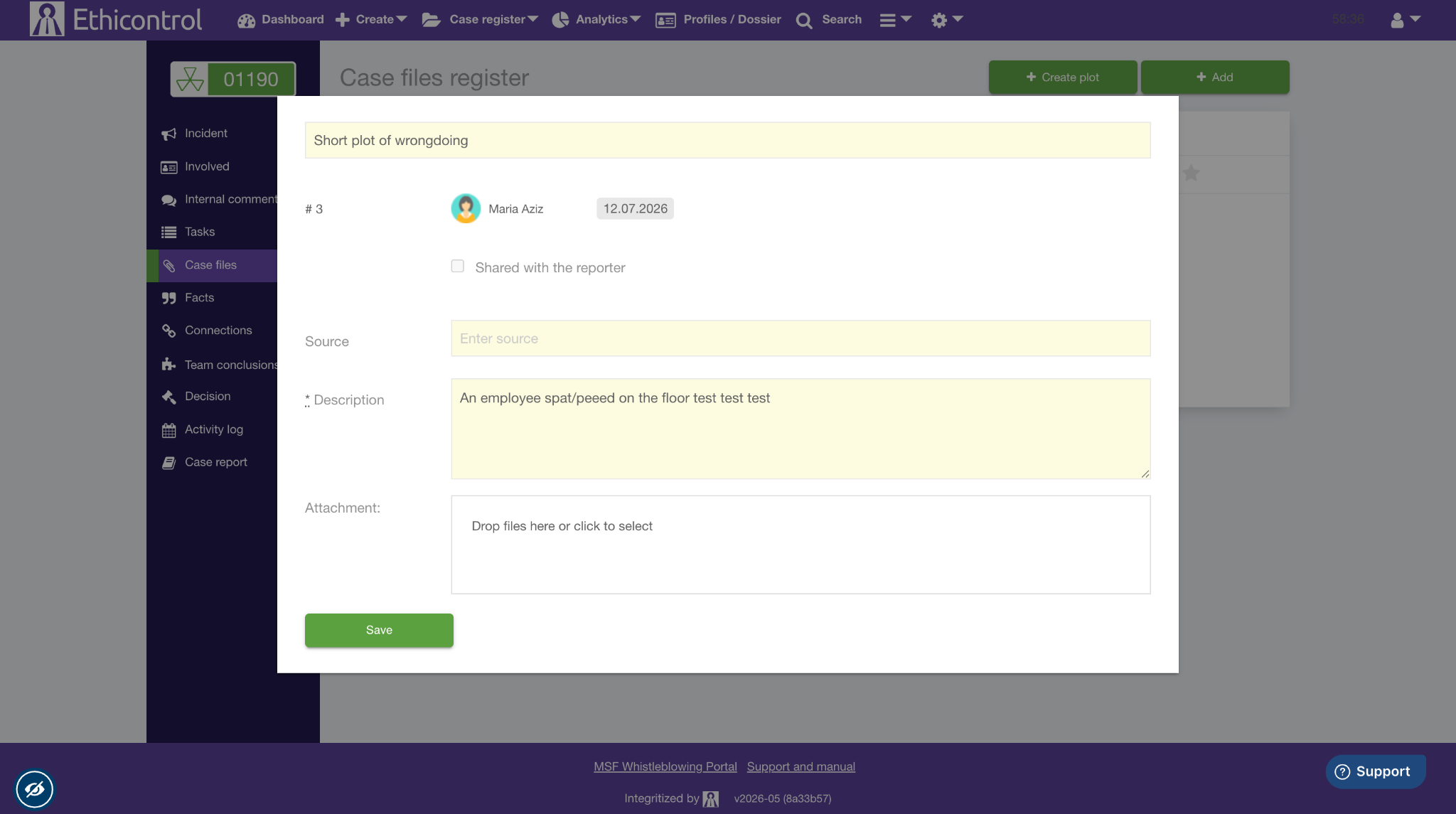
Beyond just organising your data, this update introduces an intelligent way to handle risk assessment based on the new sub-categories:
Violation Point Scoring: You can now assign custom point weights to specific sub-categories or infraction types based on how severe the violation is.
Automated Severity Triage: When a user selects a sub-category, the system evaluates its assigned points and can automatically update the case severity level (e.g., instantly shifting the flag to Critical or High for severe infractions).